
Office Clearance Brixton: Recycling and Sustainability
We are committed to delivering responsible office clearance in Brixton that protects local environments and supports the circular economy. Our approach to recycling and sustainability balances practical clearance work with long‑term diversion of materials from landfill. From desks and cabinets to IT equipment and soft furnishings, every item is assessed for reuse, refurbishment or recycling in line with best practices across Lambeth and surrounding boroughs.Our Recycling Percentage Target
We have set an ambitious recycling percentage target of 85% diversion from landfill for typical commercial clearances. This target is realistic for many Brixton office clear-outs when furniture is segregated on site, electronics are handled by specialist partners and residual waste is minimised. Progress is tracked through waste audits and transparent reporting, so clients receiving an office clearance in Brixton can see the environmental outcomes of each job.
Local Transfer Stations and Material Recovery
We work with licensed local transfer stations and Material Recovery Facilities (MRFs) serving Lambeth and south London to ensure materials enter appropriate recycling streams. Our logistics include direct delivery to the nearest approved facilities to reduce double handling and emissions. Key benefits include:- Faster turnaround at local transfer stations for mixed recyclables and dry materials
- Direct sorting at MRFs for glass, paper, metals and plastics
- Secure, documented processing for confidential or hazardous items
Partnerships with charities and social enterprises are central to our reuse strategy. We coordinate with national and local organisations to redirect usable office furniture and equipment back into the community. By linking Brixton clearances to charities, we create measurable social value: furniture finds second homes in community centres, training projects, and small local enterprises, extending product life and reducing waste.
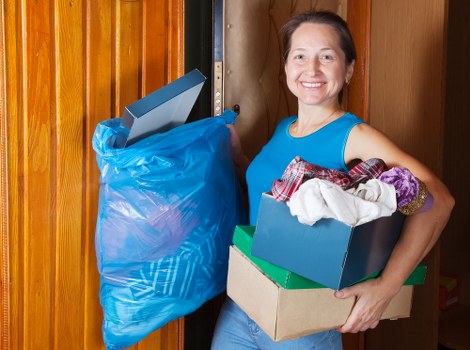 Our processes take account of the boroughs' approaches to waste separation. In Lambeth and neighbouring boroughs, separation at source for food waste, mixed dry recycling and glass is common; we align collection practices with these systems and provide on‑site segregation during an office clearance. Where clients wish, we can supply labelled containment to mirror the council's kerbside rules, helping to avoid cross-contamination and increasing recycling rates.
To support low‑carbon logistics we operate a fleet of low-carbon vans including electric and Euro 6 hybrid vehicles for inner‑city routes. Route optimisation software reduces mileage and idling time, and telematics ensure efficient scheduling across Brixton and greater London. Our commitment to low-emission transport is part of a broader sustainability plan that includes staff training on waste separation and careful handling to preserve reusable items.
We also focus on specific types of recycling activity relevant to office clearances in Brixton: secure IT asset disposal and data‑wiping, safe recycling of fluorescent lighting, separation of timber for reuse, and collection of soft furnishings for textile recycling. These activities reflect local demand and the practical challenges of clearing urban office spaces while remaining compliant with environmental regulations.
 Data, reporting and continual improvement are built into every project. We produce clear documentation showing weights and percentages of diverted materials, supporting tenants and landlords who need evidence for sustainability reporting. Our target is not only to reach high diversion percentages but to continually reduce the carbon intensity of each clearance through smarter vehicle use and better reuse partnerships.
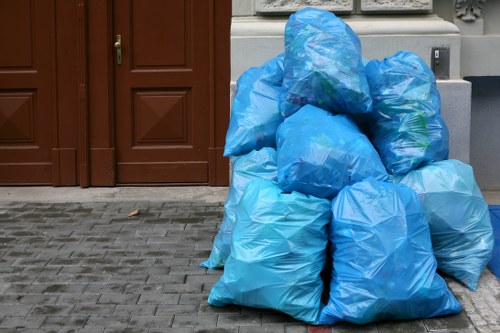 In summary, Brixton office clearance services that prioritise recycling and sustainability combine high diversion targets, collaboration with local transfer stations and community charities, and a modern low‑emission fleet. By choosing a sustainable approach to office clearance in Brixton, organisations contribute to local circular economy goals, reduce carbon emissions and generate social benefit through reuse. Together we keep more material in productive use and less in landfill.
