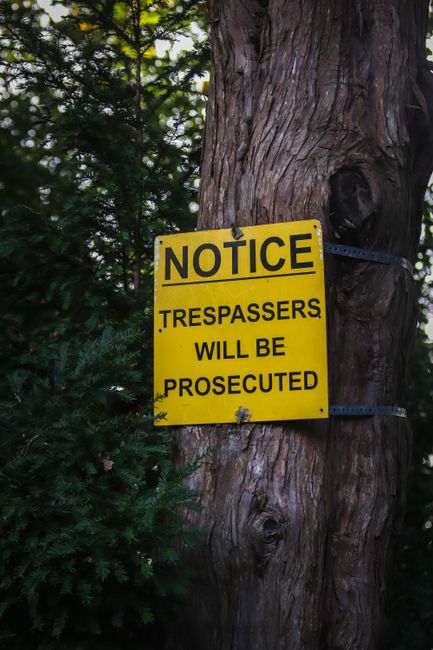
Penalty risks: illegal disposal and fines in Brixton
If you are dealing with unwanted furniture, builders' rubble, office clutter, or a full property clear-out, the last thing you want is a knock-on cost because waste was handled badly. Penalty risks: illegal disposal and fines in Brixton can catch people out surprisingly fast, especially when rubbish is left on the pavement, given to the wrong carrier, or dumped in a rush after a busy move. It's rarely just a small slip-up. In practice, it can become a messy, stressful, and expensive problem.
This guide breaks down what illegal disposal means, why the penalties matter, how the risk usually shows up in real life, and what to do instead. You'll also find practical steps, common mistakes, a simple checklist, and a comparison of safer options. If you want a cleaner, calmer way to deal with waste, you're in the right place.
Table of Contents
- Why Penalty risks: illegal disposal and fines in Brixton Matters
- How Penalty risks: illegal disposal and fines in Brixton Works
- Key Benefits and Practical Advantages
- Who This Is For and When It Makes Sense
- Step-by-Step Guidance
- Expert Tips for Better Results
- Common Mistakes to Avoid
- Tools, Resources and Recommendations
- Law, Compliance, Standards, or Best Practice
- Options, Methods, or Comparison Table
- Case Study or Real-World Example
- Practical Checklist
- Conclusion
- Frequently Asked Questions
Why Penalty risks: illegal disposal and fines in Brixton Matters
Illegal dumping is not a victimless shortcut. In Brixton, as in the rest of London, waste left in the wrong place can become everyone else's problem very quickly. A sofa dumped beside a bin store, a bag of DIY waste left at the kerb, or garden cuttings shoved into a communal skip might seem minor in the moment. But those small decisions can trigger complaints, inspections, clean-up costs, and sometimes fines.
It also matters because waste has a habit of revealing more than people expect. Labels, letters, invoices, packaging, and even item types can point back to the original holder. So if someone says, "It wasn't my intention," that may be true - but it does not always stop enforcement action. That's the annoying bit, really.
There is also a neighbourhood impact. Brixton is busy, dense, and full of mixed-use streets, flats, shops, builders, and households all sharing the same space. One careless disposal can block a pavement, attract pests, create trip hazards, and make a street look neglected by tea-time. Nobody wants that on their conscience, or their bill.
Practical takeaway: illegal disposal is usually more expensive than proper disposal, even before you factor in stress, time, and the possibility of being asked to prove what happened.
If you are planning a clear-out, a good starting point is understanding what a lawful route looks like. For larger domestic projects, many people begin with home clearance or house clearance rather than trying to move everything piecemeal.
How Penalty risks: illegal disposal and fines in Brixton Works
At a simple level, the system is built around responsibility. Waste has to be stored, transported, and handed over in a way that prevents nuisance, fly-tipping, contamination, and unsafe handling. If someone passes waste to an unlicensed collector, or leaves it where they know it should not be, the risk does not disappear. It tends to bounce back.
Here's how it often plays out in practice:
- Waste is generated during a move, renovation, office clean-out, or garden job.
- Someone tries to save time or money by using a shortcut, such as leaving items out, giving them to an unknown trader, or moving rubbish "for later".
- The waste is found in the wrong place, or a complaint is made.
- Evidence is reviewed, which may include visible labels, location, item type, or records.
- Enforcement or a clean-up response follows, which can lead to costs, fines, or further action depending on circumstances.
It is worth saying plainly: not every mistake becomes a major penalty. Sometimes the issue is resolved quickly if the waste is removed immediately and the facts are clear. But if the behaviour looks careless, repeated, or deliberate, the situation can escalate fast. That is why record-keeping and choosing the right carrier matter so much.
For business owners, the risk is sharper. Commercial waste has extra moving parts - storage, staff responsibility, regular collections, and the expectation that the company can show what happened to its rubbish. That is where a proper service like business waste removal or office clearance can reduce the chance of a costly mistake.
Key Benefits and Practical Advantages
Staying on the right side of waste rules is not just about avoiding penalties, although that is a big one. It also makes day-to-day life easier. Less ambiguity. Less panic. Less "Where did this bag come from?" on a wet Wednesday morning.
- Lower financial risk because you are not gambling on fines, call-outs, or repeat collections.
- Cleaner premises, which matters for landlords, tenants, shopfronts, and shared buildings.
- Better neighbour relations because waste is dealt with properly rather than left to drift across communal areas.
- Smoother moves and refurbishments when clearance is planned rather than improvised.
- Clearer responsibility, especially useful for business settings and managed properties.
- Better recycling outcomes when items are separated rather than dumped as mixed rubbish.
There is a very practical side to all this. If you are clearing out a flat after a tenancy, for example, you do not want to discover the sofa was left beside the building because "the van was full" and now there is a complaint. That sort of thing snowballs.
People also underestimate the time savings. A lawful, organised collection often turns a weekend headache into a one-visit job. If you are moving furniture, the dedicated furniture clearance and furniture disposal options can be much easier than hiring help, borrowing a van, and hoping it all fits.
Who This Is For and When It Makes Sense
This topic matters to more people than you might think. If you live in Brixton, work here, manage property here, or run a business that produces waste locally, you are in scope in a practical sense. The same is true if you are dealing with one-off clear-outs, refurbishment leftovers, or the leftovers from that chaotic "we'll sort it at the weekend" plan that somehow becomes three weekends long.
It makes sense to pay close attention if you are:
- a homeowner or tenant clearing bulky items
- a landlord between lets
- a flat owner in a shared block
- a shop, studio, or office manager
- a builder, decorator, or tradesperson
- someone dealing with a loft, garage, or garden full of old stuff
It is especially relevant when waste is awkward: mattresses, broken cabinets, renovation debris, and mixed items that do not neatly belong in normal bins. Those are the jobs where people get tempted to cut corners. To be fair, when the rubbish is stacked by the door and the clock is ticking, shortcuts can look attractive. That is usually the wrong moment to improvise.
If your clearance touches multiple spaces, it can help to think in zones. For example, a garage might need a different approach from a loft, and a building site is not the same as a front room. Useful starting points include garage clearance, loft clearance, and builders waste clearance.
Step-by-Step Guidance
If you want to reduce penalty risk, the safest approach is usually the boring one. Not glamorous, but reliable. Here's a sensible process.
- Identify every item you want removed. Split it into furniture, general rubbish, electricals, green waste, building debris, and anything sensitive.
- Check what cannot go into normal disposal streams, especially items that need special handling or take up bulk space.
- Decide whether the waste is household or commercial. That affects the way it should be handled and documented.
- Use a carrier you can trust, and make sure collection details are clear in writing where possible.
- Ask how items will be sorted, especially if you want recycling and responsible disposal rather than one mixed load.
- Keep a record of what was removed, when it happened, and who took it away.
- Inspect the area after collection so nothing has been missed in a communal corner, rear alley, or storage space.
Here's a tiny but useful habit: take a quick photo before and after. It takes seconds. It also gives you a neat visual record if there is ever a dispute later. Slightly unexciting, yes. Very handy, also yes.
If you are dealing with a house full of mixed belongings, a structured flat clearance or home clearance can help you keep the process tidy instead of dragging bags up and down stairs all afternoon.
Expert Tips for Better Results
In our experience, the best waste jobs are the ones where expectations are set early. Simple enough, but it saves headaches later.
- Separate rubbish before collection. Mixed piles are slower to assess and easier to misunderstand.
- Label anything sensitive. Office paperwork, personal documents, or items for reuse should not be left to guesswork.
- Measure awkward items. Big wardrobes, old desks, and broken appliances are more trouble when access is tight.
- Plan around building rules. If you live in a block, check lift access, loading areas, and permitted time windows.
- Ask about recycling first. A responsible route may reduce landfill reliance and improve peace of mind.
- Choose the right service level. A simple bin bag job does not need the same setup as a full office strip-out.
There is also a human side to all this. People often keep things "just in case," and then the pile grows quietly in the corner of a room, like it owns the place. You know the sort. Better to deal with it while it is still manageable.
If you are comparing disposal options, check recycling and sustainability information as part of your decision. It gives a better picture of where the material goes after it leaves your property.
Common Mistakes to Avoid
A lot of penalty risk comes from small errors rather than dramatic wrongdoing. The problem is that small errors add up. A few to watch for:
- leaving items beside communal bins and assuming someone else will sort it out
- giving waste to an unverified collector because they are cheap and quick
- mixing household items with rubble or trade waste without checking the rules
- not keeping any record of collection or handover
- ignoring items that need special treatment, like electricals or broken fittings
- dumping waste after dark to avoid attention, which never looks good, obviously
- forgetting that someone else can still be linked to the waste even if it is no longer on their property
One of the sneakiest mistakes is assuming "if nobody saw it, it doesn't count." That is not how enforcement usually works. Waste left in the wrong place can be found later, and the evidence is not always as elusive as people hope.
Another common slip is underestimating collection logistics. Stairs, parking, narrow streets, and time restrictions in Brixton can make an easy-looking job awkward. That is why good planning beats a rushed carry-down every time.
Tools, Resources and Recommendations
You do not need a complicated toolkit to stay compliant. You need a few sensible habits and the right service options.
- Inventory list: a simple written list of what is being removed.
- Photos: before-and-after images for your own records.
- Access notes: lift size, parking issues, stair counts, and any time limits.
- Sorting areas: a clear place for furniture, recyclables, and mixed waste before collection.
- Written instructions: especially useful for landlords, agents, and business teams.
For practical clearance planning, some readers also find it helpful to compare related services. For example, a garden job may need garden clearance, while a business relocation may lean more toward office clearance or business waste removal. Different jobs, different risk profile.
If you are unsure how to describe your waste, be conservative and specific. "Mixed household items," "broken office furniture," or "light builders' waste" is better than "a few bits and bobs." Honestly, "a few bits and bobs" is a classic phrase, but not very helpful when you are trying to avoid a fine.
Law, Compliance, Standards, or Best Practice
When people talk about fines and illegal disposal, they are usually referring to the broader duty to prevent waste from being dumped, handled unlawfully, or transferred irresponsibly. The precise enforcement route can vary depending on the facts, the waste type, and how the incident came to light. So it is sensible to be careful rather than overly certain.
Best practice in the UK generally means:
- keeping waste under control until it is collected
- using a legitimate, traceable collection method
- ensuring waste goes to the appropriate destination
- separating recyclable material where practical
- maintaining records for domestic or commercial clearances where needed
For businesses, record-keeping matters even more. Staff should know who is responsible for arranging disposal, and the company should be able to explain what happened to the waste if asked. That is not red tape for the sake of it; it is basic protection.
If health and safety is part of the picture, especially with heavy lifting or sharp waste, it is worth aligning your process with a clear policy. You can review general principles on health and safety policy and insurance and safety before booking a job.
There is also a trust angle. If you are hiring help, it is fair to expect clarity on pricing, terms, and what happens if access is difficult or items are added on the day. That is where pricing and quotes and the terms and conditions pages become genuinely useful, not just legal box-ticking.
Options, Methods, or Comparison Table
There are a few common ways people deal with waste in Brixton. Some are fine for tiny jobs; others are better when the stakes are higher.
| Method | Best for | Risk level | Key downside |
|---|---|---|---|
| Leaving items by bins or on the street | Nothing, really | High | Strong illegal disposal risk and likely complaints |
| Hiring a random cheap collector | Quick fixes when time is tight | Medium to high | No clear traceability if something goes wrong |
| Self-haul to a disposal point | Small volumes and people with transport | Medium | Time, vehicle loading, and correct sorting are on you |
| Organised clearance service | Homes, offices, bulky furniture, mixed loads | Lower | Usually costs more than the riskiest shortcuts |
In plain English, the cheapest option is often the one that creates the biggest liability. The neatest option is usually the one that looks sensible from the start.
For larger properties and mixed loads, many people find it easier to build the job around a dedicated service such as waste removal. It reduces guesswork, which is half the battle.
Case Study or Real-World Example
Picture a small flat in Brixton after a tenant move-out. The hallway is tight, there is an old sofa, two broken chairs, a shelving unit, and a pile of mixed bags that has been growing for weeks. The landlord wants the place turned around quickly. The tenant is gone. Everyone is in a hurry.
This is exactly the sort of situation where things go wrong. One person suggests leaving the sofa outside "just for the morning." Another says a local trader can take it all. Nobody checks whether the waste carrier is suitable, and nobody writes down what leaves the property. Then, by the next day, the sofa is still sitting there, rain-damp, and someone in the building has complained.
Now the job is not just about waste. It is about reputation, access, and the possibility of a penalty. A better route would have been to book an organised flat clearance, keep a list of items, and clear the shared area in one controlled visit. Not dramatic. Just tidy. And tidy wins more often than people think.
Expert summary: In Brixton, illegal disposal risk usually rises when waste is rushed, undocumented, or left without a clear handover. The simplest way to reduce fines is to plan the removal before the clutter becomes a problem.
Practical Checklist
Use this before any disposal or clearance job. A quick check now is much easier than explaining a mess later.
- Have I listed everything that needs removing?
- Do I know whether the waste is household, commercial, or mixed?
- Are any items bulky, sharp, heavy, or likely to need special handling?
- Have I chosen a lawful removal method?
- Do I know where the waste is going?
- Have I kept photos or notes for my own records?
- Will access, parking, or timing create issues on the day?
- Have I checked whether recycling or reuse is possible?
- Do I have the right service for the type of waste?
- Have I avoided leaving anything in a communal or public area?
If you can answer "yes" to most of those, you are in much safer territory. If not, pause and sort it properly. That pause can save you a lot of grief.
Conclusion
Penalty risks: illegal disposal and fines in Brixton are avoidable when you treat waste as something that needs a plan, not just a place to land. The main danger is usually not one huge mistake, but a series of small shortcuts: an unverified collector, an item left at the curb, no record of collection, or a rushed clear-out with no proper sorting.
The good news is that the solution is straightforward. Keep waste traceable, choose the right service, document what leaves your property, and avoid improvised dumping. Whether you are handling a flat, a house, an office, or a garage, a calm and organised approach is nearly always cheaper in the long run.
If you are weighing up your next step, start with the type of waste you have and how much of it needs moving. From there, the right option usually becomes clearer. And if it still feels messy, that is normal. Waste jobs often do. They just need a bit of order, that's all.
Get a free quote today and see how much you can save.
Frequently Asked Questions
What counts as illegal disposal in Brixton?
Illegal disposal usually means leaving waste in a place it should not be, handing it to someone who is not properly able to take it, or causing waste to be dumped rather than removed lawfully. The exact circumstances matter, but the basic idea is simple: waste has to be dealt with responsibly.
Can I get fined if I put rubbish next to the bins?
Yes, that can happen. If rubbish is left where it causes obstruction, nuisance, or looks like fly-tipping, it may be treated as improper disposal. Even if the intention was harmless, the location and outcome can still create problems.
How do I reduce the risk of illegal dumping when hiring someone?
Use a collector you can identify, keep a record of the job, and make sure you know what will happen to the waste. If the price looks too good to be true, it often is. A little caution goes a long way.
Is household waste treated differently from business waste?
Often, yes. Business waste normally needs tighter record-keeping and clearer responsibility. If you run a company, it is wise to treat waste as a compliance issue, not just a cleaning task.
What should I do with bulky furniture?
Bulky items are best handled through an organised collection rather than left outside. Services such as furniture clearance or furniture disposal are usually a better fit than trying to move everything in bits and pieces.
Do I need proof that my waste was collected properly?
For peace of mind, yes. For businesses, it is especially useful. Keep notes, receipts, or written confirmation wherever possible. If anything is questioned later, a simple paper trail can save a lot of hassle.
What happens if waste is dumped from my property without my knowledge?
That can be complicated, so the facts matter. It may still be worth keeping records showing who had access, who arranged collection, and what was agreed. If you are dealing with a landlord, tenant, or contractor issue, documentation becomes very important.
Are garden cuttings or DIY rubble more risky than normal rubbish?
They can be, mainly because they are heavier, messier, and less suitable for ordinary bins. Garden waste and builders' waste often need more careful handling than standard household rubbish.
How do I know whether a clearance service is the right option?
If the waste is bulky, mixed, time-sensitive, or awkward to move, a proper clearance service is usually the safer choice. It helps reduce the chance of fines, complaints, and access problems, especially in busy parts of Brixton.
Can I just leave items in a garage or loft for later?
Yes, but only if they are genuinely being stored and not abandoned. In practice, clutter grows quietly, and people forget what is there. If it has become a dumping ground, a proper clearance is usually the better call.
Why does recycling matter if I only want the waste gone?
Because responsible disposal reduces the amount of material ending up in the wrong place and shows the waste is being dealt with properly. It is also often the more sensible long-term approach for homes and businesses.
Where can I start if I need help planning a clear-out?
Begin by identifying the type and volume of waste, then check the most suitable service. If you are dealing with mixed items, a home clearance, office clearance, or waste removal option may be the cleanest route. From there, you can make a proper plan instead of guessing.