Dealing with fly-tipped waste outside Brixton flats: a practical guide for residents, landlords, and managing agents
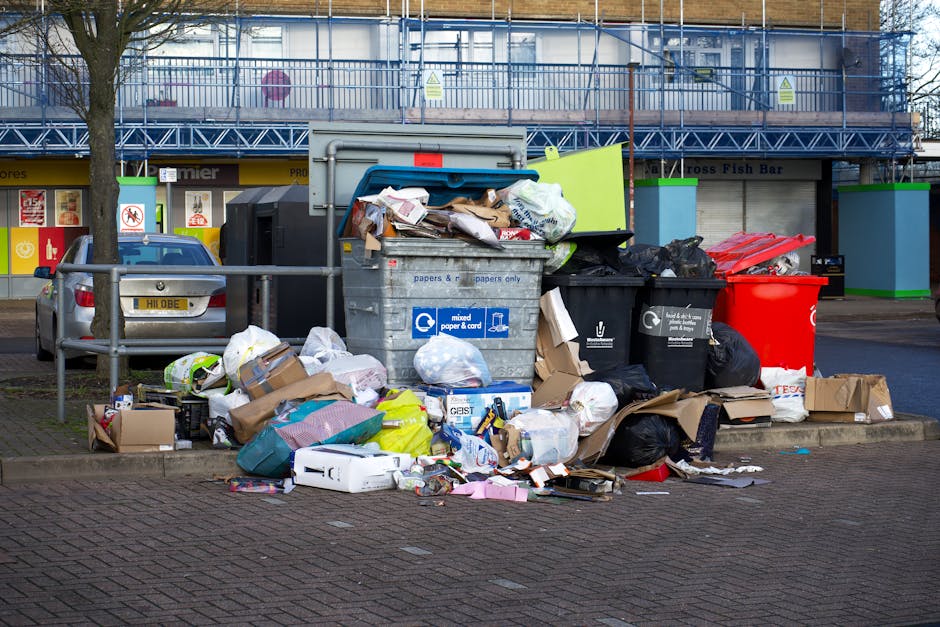
If you are dealing with fly-tipped waste outside Brixton flats, you will know how quickly a small mess turns into a real headache. One morning it is a couple of bin bags by the entrance; by evening it is a broken wardrobe, an old mattress, and a smell that makes everyone walk a little faster. It looks untidy, yes, but it can also block access, attract pests, and create tension between neighbours. This guide walks you through what fly-tipped waste actually means, what to do first, how clearance usually works, and how to choose a sensible, lawful route without wasting time.
We will keep it practical. No drama, no fluff. Just the sort of advice that helps when the stairwell is busy, the pavement is narrow, and nobody wants the rubbish sitting there for another day.
- Why it matters
- How the clearance process works
- Key benefits and practical advantages
- Who this is for
- Step-by-step guidance
- Expert tips for better results
- Common mistakes to avoid
- Tools, resources and recommendations
- Law, compliance and best practice
- Options and comparison
- Real-world example
- Practical checklist
- Conclusion
- Frequently asked questions
Why Dealing with fly-tipped waste outside Brixton flats Matters
Fly-tipping is not just an eyesore. Outside flats, it can affect day-to-day life in ways that are easy to underestimate until you are standing in front of a doorway that barely opens. Bags split. Rain soaks through cardboard. Mattresses soak up moisture and become heavy, awkward, and unpleasant to handle. In a shared block, that quickly becomes everyone's problem.
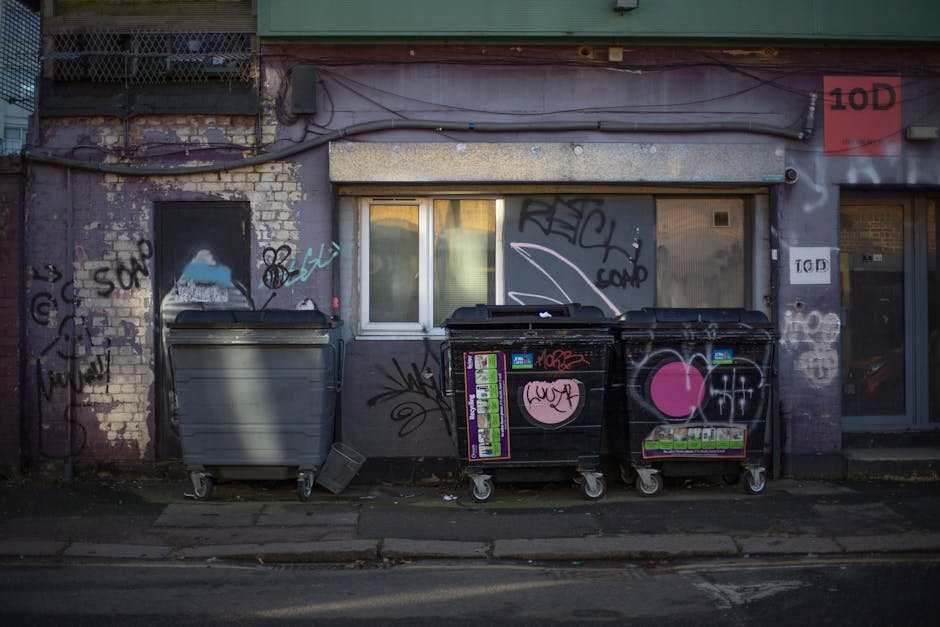
For Brixton flats in particular, the layout of many properties means waste can end up in shared frontages, narrow courtyards, rear alleys, or bin-store entrances where access is already tight. That makes prompt removal more than a cosmetic job. It is about keeping routes clear for residents, visitors, cleaners, and, where needed, emergency access too.
There is also a social side to it. When fly-tipped waste lingers, people often assume "someone else will sort it." Then days pass. Then the pile grows. The longer it stays, the more likely it is to become a magnet for more dumping. That pattern is common, and to be fair, it is one of those ugly little domino effects that catches people out.
Expert summary: The best response to fly-tipped waste outside flats is usually a calm, documented, and fast one: assess the risk, keep people safe, arrange removal through the right route, and reduce the chance of repeat dumping.
If the waste includes bulky items such as sofas, broken furniture, or mixed household rubbish, it may help to think beyond simple tidying. A proper waste removal approach is often the cleanest way to handle mixed loads, especially where you need the area cleared in one visit rather than bit by bit. For properties with multiple occupants, a broader flat clearance style service can be useful when the rubbish is tied to an emptying, refurbishment, or end-of-tenancy situation.
How Dealing with fly-tipped waste outside Brixton flats Works
The process usually starts with figuring out what you are looking at. Is it household rubbish left by a resident, rubbish dumped by a third party, or waste from a recent move, renovation, or furniture changeover? That distinction matters because it helps you decide whether you are dealing with a straightforward clearance or a wider management issue.
From there, the sensible route is usually:
- Make the area safe and check for sharp edges, broken glass, chemicals, or leaking containers.
- Take a quick photo record for reference, especially if the waste may need to be reported internally or passed on to a managing agent.
- Separate obvious hazards from general waste where it can be done safely.
- Arrange collection using a team that is set up for bulky, mixed, or awkward items.
- Follow up by checking for repeat dumping risks, such as broken locks, poor lighting, or unsecured access points.
In practice, the job is rarely just "pick it up and go." If the pile includes furniture, builders' rubble, garden debris, or old appliances, different handling methods may be needed. That is where services like furniture clearance, builders waste clearance, or garden clearance can be relevant, depending on what has actually been dumped. A single mixed mess might need a combined approach. Bit awkward, but common enough.
If the issue extends beyond one pile and starts to look like a wider building or tenancy tidy-up, it may be worth looking at home clearance or house clearance options too. These are especially useful where waste has come from a relocation, probate clearance, or a long-overdue clear out that has spilled into shared space.
Key Benefits and Practical Advantages
Getting fly-tipped waste removed quickly brings more than a cleaner view from the window. The immediate benefit is obvious, but the knock-on effects are often what matter most.
- Better access: entrances, pathways, and bin areas become usable again.
- Lower nuisance risk: fewer smells, fewer pests, and less chance of waste spreading.
- Improved neighbour relations: people are less frustrated when action is visible.
- Reduced repeat dumping: a cleared, checked space is less inviting to offenders.
- Less manual hassle: residents and staff avoid lifting unknown or heavy items themselves.
- Cleaner first impression: this matters for landlords, agents, and anyone showing a property.
There is also a slightly underrated benefit: it reduces decision fatigue. Once people know the mess is being dealt with properly, they stop arguing about who should move what, who should call whom, and whether the pile is "too big for now." That sounds small, but in shared housing it can matter a lot.
For landlords and agents, tidy shared areas support the wider management of the building. If a flat becomes empty or a tenant leaves behind bulky items, it is often easier to combine the issue with a service such as house clearance or loft clearance where applicable, rather than tackling each item in isolation.
Who This Is For and When It Makes Sense
This kind of guidance is useful for a few different people. If you live in a Brixton block and the waste is sitting just outside the communal door, you need a clear path to action. If you are a landlord, you probably need to keep tenants safe and minimise complaints. If you are a managing agent, you may be balancing speed, compliance, and cost. And if you are a cleaner, concierge, or caretaker, you may simply be the person everyone calls first.
It tends to make sense to arrange help when the waste:
- blocks access to a shared area;
- contains bulky furniture or mixed rubbish;
- may include sharp, damp, or hazardous material;
- has been left long enough to attract more dumping;
- is too heavy or awkward for residents to move safely;
- needs clearing at a specific time to avoid disruption.
Sometimes the decision is obvious. You look at it, sigh, and think, "Nope, not today." That is fair. Other times the waste seems manageable, but once you get close, you realise it is mixed with broken glass, wet carpet, or a surprisingly stubborn wardrobe. Not fun.
If the setting is a business property near flats, similar principles apply. A nearby office or mixed-use building might also need business waste removal or even office clearance if the material has come from a commercial tenant rather than a household source.
Step-by-Step Guidance
Here is a simple way to handle the situation without making it more complicated than it needs to be.
1. Pause and assess the risk
Before touching anything, check whether there are needles, broken glass, leaking liquids, food waste, or anything that could cause injury. If the pile looks unsafe, do not start dragging it about with bare hands. That sounds obvious, but people do it anyway when they are fed up.
2. Protect access first
If the waste is near a doorway, stairwell, or bin store, make sure the route is still usable. Sometimes simply shifting a few light items, or cordoning off the area, can prevent the situation from getting worse while you wait for removal.
3. Identify the type of waste
Mix-and-match loads are common: furniture, bags of rubbish, old fixtures, builders' debris, and garden cuttings all in one place. The clearer the picture, the easier it is to choose the right clearance method. A mixed pile might still be straightforward for a trained team, but it helps to know what is in it.
4. Arrange a proper collection route
Depending on the load, you may need general clearance, bulky item pickup, or a more specific service. If the waste includes damaged furniture, consider whether furniture disposal is the cleaner option. If it is mainly remnants from a building job, builders waste clearance may be the better fit. That distinction helps avoid delays.
5. Keep records and note repeat issues
Take a photo before removal and another after, especially if the waste is in a communal area. If dumping happens repeatedly, those records help identify patterns. You do not need a full investigation file, just enough detail to support sensible follow-up.
6. Check what can be prevented next time
Once the waste is gone, look at the cause. Was the bin area overfull? Is a rear gate left unsecured? Is lighting poor? Small fixes often reduce repeat problems more effectively than people expect.
Expert Tips for Better Results
A few practical habits make a noticeable difference.
- Act early. A small dump is easier to remove than a week-old pile that has spread.
- Separate by type where safe. It saves time when collection begins.
- Use photos, not guesses. A quick image helps explain the job accurately.
- Keep tenants informed. A short notice avoids confusion and repeated reporting.
- Choose collection times carefully. Early morning or quieter periods can be less disruptive.
- Look at the cause, not only the mess. Prevention is often cheaper than repeated clearances.
One small but useful tip: if you have a recurring fly-tipping spot, the worst thing you can do is treat every incident like an isolated surprise. Usually it is not. It is a pattern, and patterns deserve a better response. Better lighting, better lock discipline, or even a cleaner bin arrangement can change the feel of the place quite a bit.
For properties with a lot of stored items or overflow clutter, combining fly-tip clearance with a wider tidy-up can be efficient. Services such as garage clearance or home clearance can help when the issue is part of a bigger clearance plan rather than a one-off pile.
Common Mistakes to Avoid
A lot of avoidable trouble comes from rushing or assuming the wrong thing.
- Moving unknown waste without checking. Bags can hide broken glass, needles, or liquids.
- Leaving it "until later." Later often becomes longer than anyone intends.
- Using the wrong service. Bulky items, mixed waste, and commercial waste are not always the same job.
- Ignoring access issues. If the route is blocked, the waste may be harder to remove than it looks.
- Failing to look at repeat dumping. One incident is annoying; three incidents is a systems problem.
- Assuming someone else will sort it out. In shared buildings, that approach often means nobody does.
There is also the classic mistake of underestimating the weight of damp rubbish. Wet cardboard, soaked furniture, and broken fittings can be surprisingly heavy. It is one of those annoyingly unglamorous facts of life, but there it is.
Tools, Resources and Recommendations
You do not need fancy equipment, but a few basics help the process go more smoothly.
- Gloves and sturdy footwear: useful for any limited visual inspection or light handling.
- Phone camera: quick records before and after clearance.
- Bin bags or clear bags: for separating lighter, safe-to-handle waste.
- Basic torch: helpful in rear alleys or dim entrance areas.
- Access keys or code checks: if the waste sits in a secured communal area.
- Clear internal notes: especially for agents, caretakers, or block managers.
For service planning, it can help to think in terms of what you are trying to solve, not just what you can see. If the main issue is mixed rubbish and bulky household items, a general waste removal service may be most efficient. If the wider site needs a tidy and there are tired, unwanted items inside as well as outside, then related services like furniture clearance can fit the job better than a narrow, one-off approach.
Where sustainability matters, ask about sorting and disposal practices. A careful provider should be able to explain how recyclable materials are separated and what happens to reusable items where appropriate. That is not a luxury detail; it is part of doing the job properly. You can also review the company's approach to recycling and sustainability if that is important to your building or resident group.
Law, Compliance, Standards, or Best Practice
It is worth being careful here. Fly-tipped waste can involve legal and compliance questions, especially where the waste came from, who arranged disposal, and whether it includes commercial or controlled material. This article is not legal advice, but there are some sensible standards that apply in practice.
In the UK, the broad expectation is that waste should be handled by a responsible party, kept safe during removal, and passed to a legitimate disposal route. If you are a landlord, managing agent, or business occupier, you should keep clear records of who removed what, when, and under what arrangement. That is especially true if the waste is mixed or came from a tenant, contractor, or refurbishment job.
Best practice usually includes:
- checking that the removal method suits the waste type;
- avoiding unsafe handling of unknown or hazardous material;
- keeping an audit trail for managed properties;
- using sensible health and safety procedures in shared spaces;
- making sure access routes stay clear during collection.
If your building has its own internal procedures, follow those first. If you are using a clearance provider, it is reasonable to ask about their safety processes and how they approach job planning. A trustworthy provider should be able to speak clearly about health and safety policy, insurance and safety, and basic terms around service delivery via terms and conditions. If payment handling is part of the process, the information on payment and security can also be useful.
For businesses, different waste streams may need different handling. If the dumped material relates to a shop, office, or commercial tenancy, the correct route may be closer to business waste removal than domestic clearance. That little distinction matters more than people think.
Options, Methods, or Comparison Table
There is more than one way to deal with fly-tipped waste outside flats. The right choice depends on the scale, the type of waste, and how quickly it needs to disappear.
| Method | Best for | Pros | Trade-offs |
|---|---|---|---|
| Resident-led tidy-up | Very small, safe, light waste | Quick, low cost, immediate action | Not suitable for bulky, dirty, or risky items |
| Managing agent or caretaker coordination | Shared entrances and recurring hotspots | Clear responsibility, good for records | Can take time if approvals are needed |
| Dedicated waste removal service | Mixed, bulky, or awkward fly-tipped waste | Efficient, safer, more thorough | Usually costs more than doing it yourself |
| Wider clearance service | Multiple items from a flat, block, or property | Useful when waste is part of a larger clear out | May be more than you need for a single pile |
For many Brixton flat settings, the dedicated waste removal route is the sweet spot. It is fast enough to prevent nuisance, but structured enough to avoid unsafe lifting and piecemeal disposal. If the waste includes old furniture or unwanted household contents, a related service such as furniture disposal can be the more precise option.
Case Study or Real-World Example
Picture a typical late-afternoon scene outside a Brixton block: two bin bags on Monday become five by Wednesday, and by Thursday there is also a wardrobe door, a broken chair, and a damp rug leaning against the wall. Nothing dramatic at first glance. Just enough to be annoying. By the weekend, the entrance smells stale after rain, and residents are stepping around the pile while carrying shopping or pushchairs.
In that kind of situation, the sensible move is not to keep shifting items from one side of the path to the other. First comes a quick safety check. Then a decision on whether the waste is household, furniture, or mixed. If it is clearly fly-tipped and bulky, a waste removal visit is usually more efficient than trying to piece it together manually. If the block also has old items inside a vacated flat, it may make sense to combine the work with flat clearance so the whole problem is handled in one go.
What changes the outcome most is not speed alone. It is the combination of speed, clear communication, and checking why the dump happened. In this example, maybe the bin store was already full, or the rear gate was left open. Once those details are corrected, the same pile is less likely to reappear next week. That is the real win.
Practical Checklist
Use this checklist when you are dealing with fly-tipped waste outside Brixton flats.
- Confirm whether the waste is safe to approach.
- Keep the main entrance and escape routes clear where possible.
- Take a quick photo record before anything is moved.
- Identify whether the load is household, furniture, builders', garden, or mixed waste.
- Decide if the waste can be handled safely in-house or needs professional removal.
- Separate lightweight safe items from anything sharp, wet, or suspicious.
- Arrange the appropriate clearance route.
- Check the area again after removal.
- Note any repeat dumping pattern or access weakness.
- Keep residents or relevant stakeholders informed.
A short checklist can save a lot of back-and-forth. Simple as that. And when everyone is already slightly fed up, simple is good.
Get a free quote today and see how much you can save.
Conclusion
Dealing with fly-tipped waste outside Brixton flats is really about getting back control of a shared space. The job may start with a pile of rubbish, but the real goal is safer access, less disruption, and a cleaner environment that people are not embarrassed to walk past. The best approach is usually calm, quick, and properly thought through.
If the waste is bulky, mixed, or part of a wider clear-out, it is often more efficient to use a service that can handle the whole picture rather than trying to manage each item separately. That saves time, reduces risk, and gives you one less thing to chase on a busy day.
And if today's problem feels bigger than it should, that is because shared spaces have a way of multiplying stress. The good news? It is usually manageable once the right people get involved.
Frequently Asked Questions
What counts as fly-tipped waste outside flats?
Fly-tipped waste is rubbish left where it should not be, such as in front of a block entrance, beside a bin store, in a communal alley, or on shared pavement space. It can include black bags, furniture, broken household items, builders' debris, or mixed junk.
Is it safe to move fly-tipped waste myself?
Only if it is clearly light, dry, and safe to handle. If there is broken glass, sharp metal, liquids, pests, or bulky items, it is better not to start lifting it casually. Shared entrances and awkward piles can be deceptively risky.
Who is responsible for removing fly-tipped rubbish from a block entrance?
That depends on who controls the property and how the waste got there. In practice, landlords, managing agents, freeholders, or resident groups often coordinate the removal if it is on shared or privately managed land. If you are unsure, check your building arrangements first.
How quickly should fly-tipped waste outside Brixton flats be removed?
As quickly as possible. The longer it stays, the more likely it is to spread, smell, or attract further dumping. If it blocks access or creates a safety issue, it becomes a priority rather than a "we'll get to it later" job.
Can fly-tipped waste include furniture or appliances?
Yes, very often. Sofas, wardrobes, mattresses, and old appliances are common in dumped piles. Those items usually need a bulky waste or furniture-focused clearance approach rather than simple bag collection.
What should I do before arranging clearance?
Take photos, check for hazards, and note the type of waste. A quick record helps explain the job properly and supports any internal reporting. It also saves time if the issue repeats.
Is there a difference between fly-tipping and normal rubbish overflow?
Yes. Overflow means waste is left because bins are full or poorly managed. Fly-tipping usually means waste has been dumped intentionally in the wrong place. The practical response may look similar at first, but the underlying issue is different.
Can mixed waste be cleared in one visit?
Often, yes. Mixed piles are common outside flats, especially where household items, cardboard, bags, and bulky furniture have all ended up together. The main thing is to describe the load accurately so the right clearance approach is used.
What if the same spot keeps getting fly-tipped?
Then the site probably has a repeat access or visibility issue. Check gates, lighting, bin capacity, and whether residents have an easy way to dispose of bulky items properly. Recurring dumping is usually a systems problem, not just a one-off nuisance.
How do I know whether to use waste removal or flat clearance?
If the main issue is a pile of rubbish outside, waste removal is usually the better fit. If the rubbish comes from inside a vacant or cluttered flat as part of a larger clear-out, flat clearance may be more appropriate.
Should I keep a record of fly-tipping incidents?
Yes, especially in managed buildings. Simple photo records and notes about dates, times, and locations can help spot patterns and support follow-up decisions. It does not need to be complicated.
Where can I find more information about service standards?
It is sensible to review a provider's own information on safety, insurance, pricing, and sustainability before booking. Pages such as about the company, pricing and quotes, and recycling and sustainability can help you judge whether the service fits your needs.